

Places · Landmark
The Lalur Trenching Ground
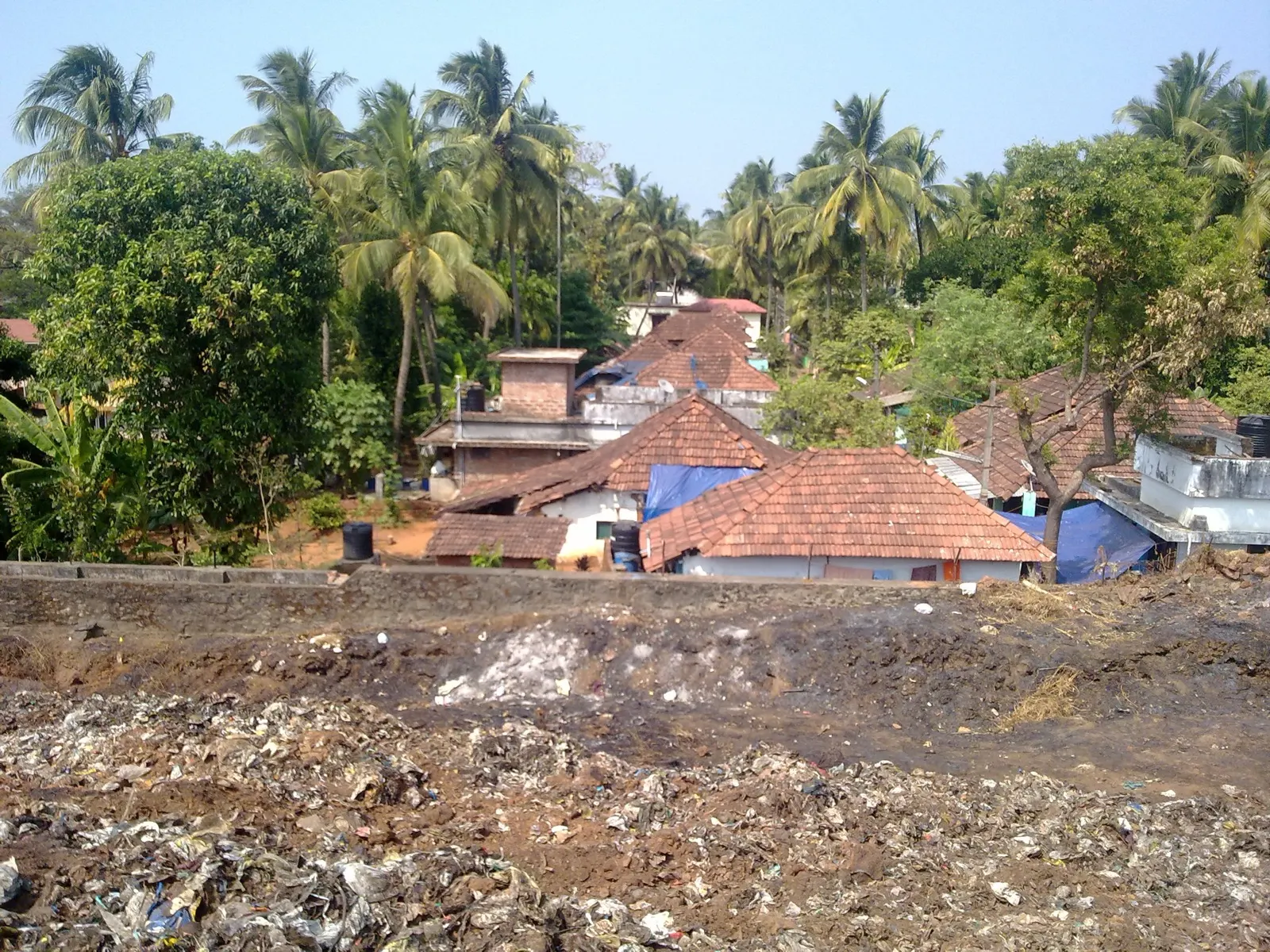
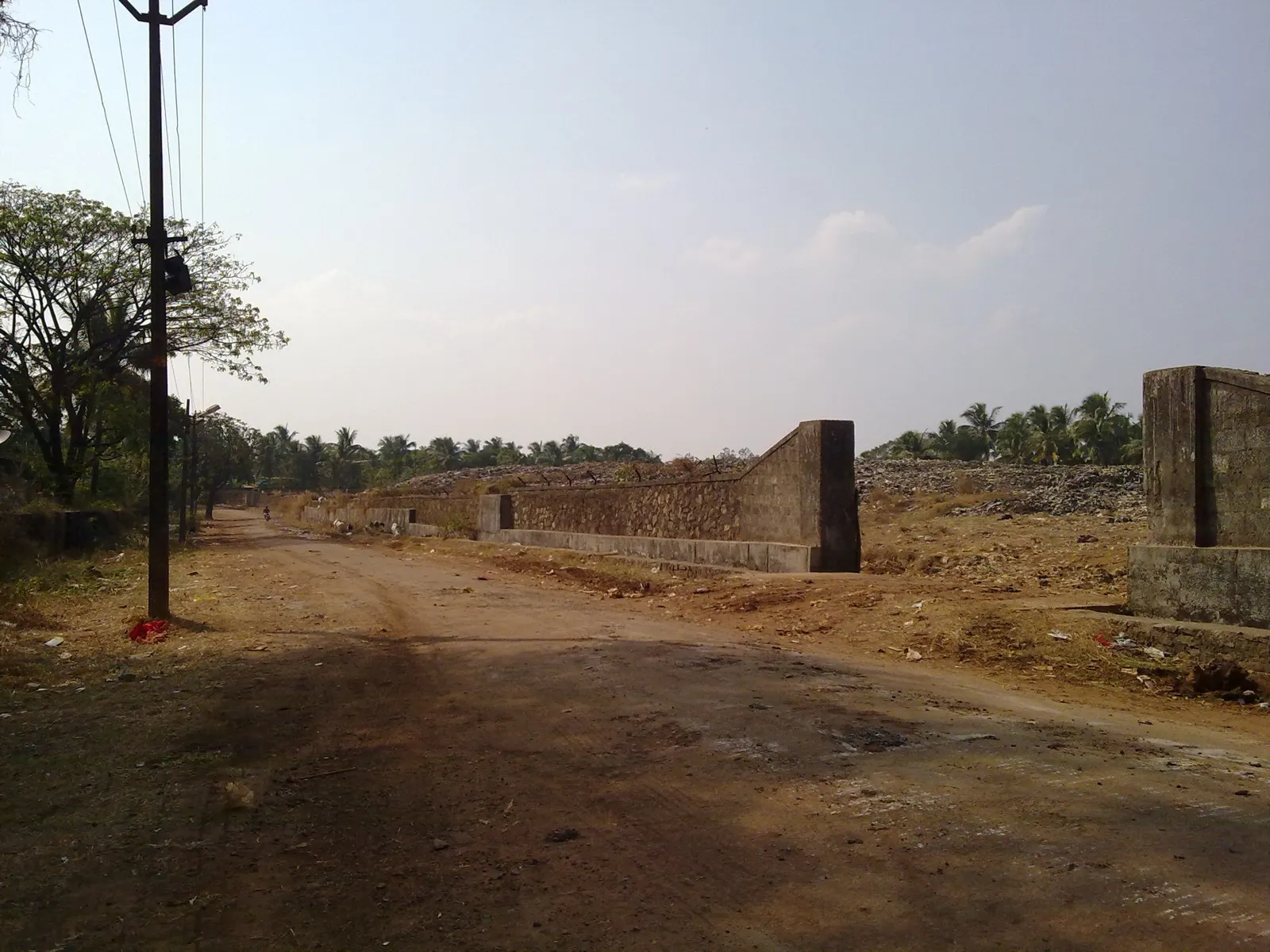
The land at Lalur where Thrissur dumped its waste for decades, and where residents fought a long campaign until the dumping stopped.
Photo: Krizan 2017 · CC BY-SA 4.0 · source
To the north-west of Aranattukara, near the Lalur cemetery and the Mathaipuram Colony, lies a stretch of government land of about 26¾ acres. For most of the twentieth century it was where the town of Thrissur sent its waste.
From cremation ground to dump
The land was once public waste ground, overgrown with bamboo, and used for cremations. Once Thrissur had a municipality, the town began to dump its refuse here. Cochin Legislative Council records already mention a trenching ground at Lalur in 1935 and 1942. For years, night soil from the town’s bucket latrines was carried here in carts by scavengers, men and women, and buried in pits.
Living beside the waste
Land near the dump was cheap, so houses went up all around it. As the town grew, plastic, kitchen and hospital waste piled up together. The book records wells that could no longer be used, a constant stench, three deaths from rat fever and three people killed by gas when they went down a well.
The struggle
The case first reached the High Court in 1985. When Thrissur became a Corporation in 2000, even more waste arrived. Residents blocked the lorries again and again, and formed an action committee that led a hunger strike lasting more than a hundred days. Writers and cultural leaders, among them Sukumar Azhikode, came out in support, and the Lalur agitation was followed across Kerala.
The dumping finally stopped while I.P. Paul was Mayor. Waste is now handled in smaller centres around the city, with Kudumbashree groups collecting plastic. The book notes that clearing the plastic buried in the old ground is still going on.
Related

Aranattukara in 10 Minutes
The whole story of Aranattukara in one short read — from a landing on the edge of the kol wetlands to a busy ward of Thrissur city.

Aranattukara Today
Ponds, paddy and bamboo gave way to roads and houses, and a market village became a ward of Thrissur city. What has changed, who has spoken for Aranattukara, and what is still worth keeping.

Struggles and Movements
From Gandhiji's visit to the Lalur colony and the 1936 electricity agitation to a seventy-year fight over the city's rubbish at Lalur. Aranattukara's part in the public life of Thrissur and Kerala.