
The Story of Aranattukara
From the port of Thrissivaperur to a city ward — Aranattukara's history in short chapters.
-
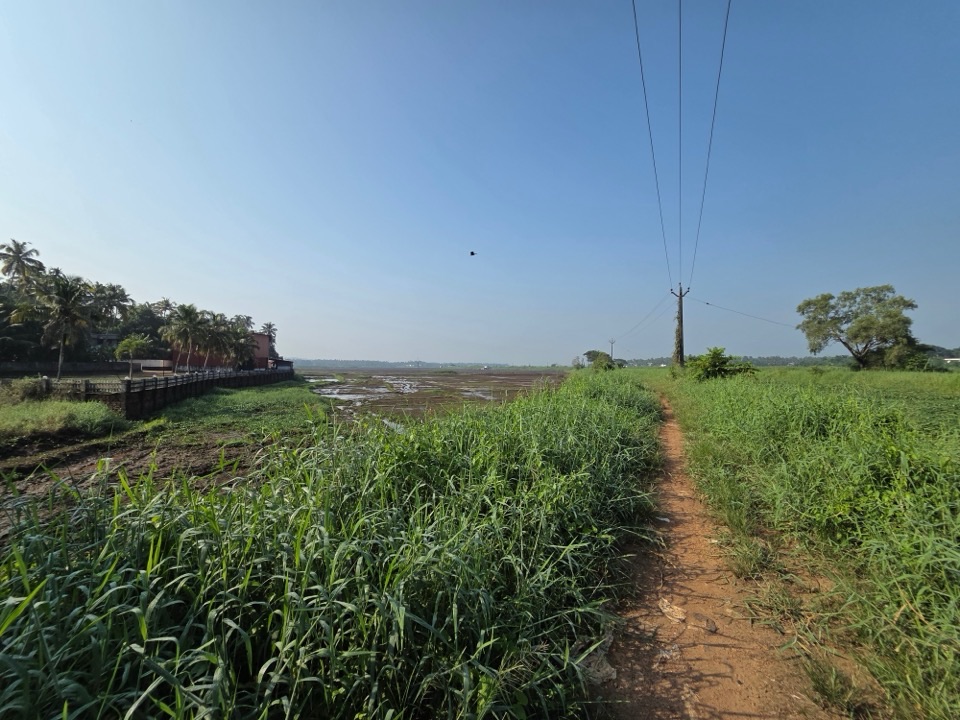
What's in a Name: Aranadu, the Kara and the Land by the Water
Where the name Aranattukara may come from — half-dry land, storerooms, a fort, or simply a busy place — and what the old village looked like on paper and on the ground.
-
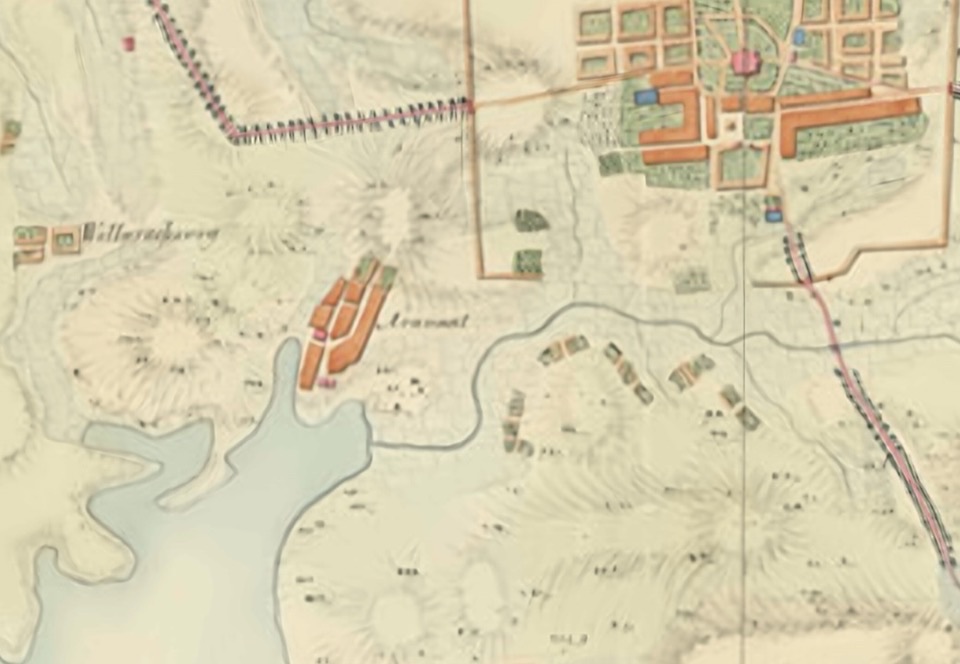
The Port of Thrissivaperur
Before the railway, Thrissur's goods left by water from the landing at Aranattukara. Sakthan Thampuran's warehouses, the toll posts and the slow decline of an inland port.
-
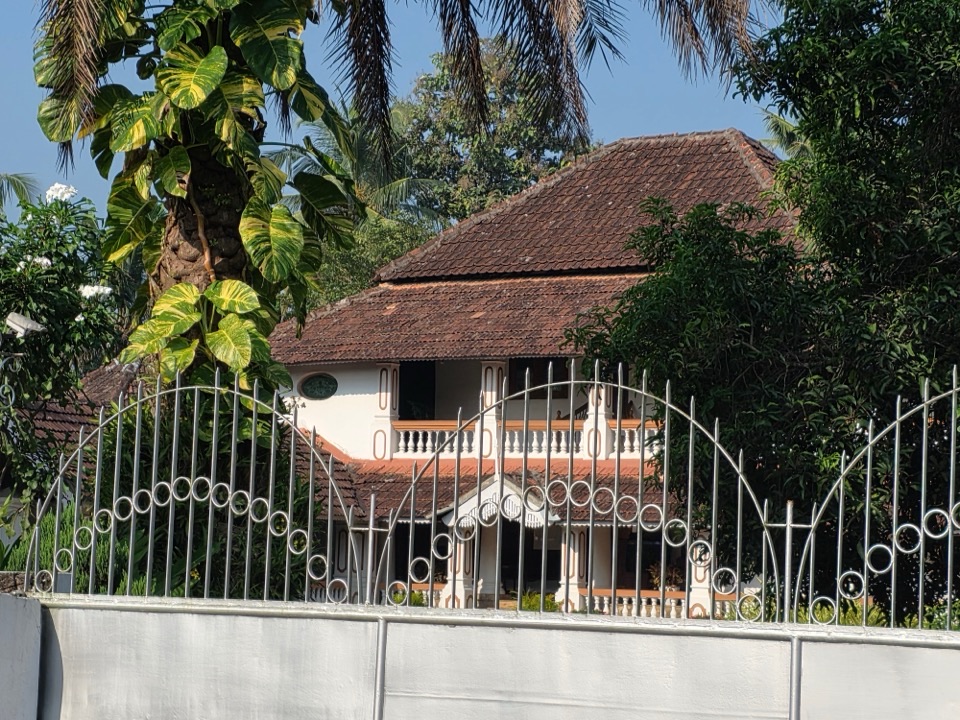
The Tharakans
How a Christian trading and healing family from Palayur won a royal title, led the settlement of Aranattukara, and left behind a house full of memories.
-

Christian Heritage
How a riverside trading village became a Christian parish, split into two rival churches for almost seventy years, and came back together in 1964 under one roof, the St. Thomas Church we know today.
-
 Chapter 5
Temples and Older Faiths
Long before the church bells, Aranattukara had its sacred groves, its kol paddy fields and its temples. This chapter looks at the land's older faiths, the Brahmin settlement of Thrissur, the temples of Lalur and Kizhakkeppuram, and the village healers.
-
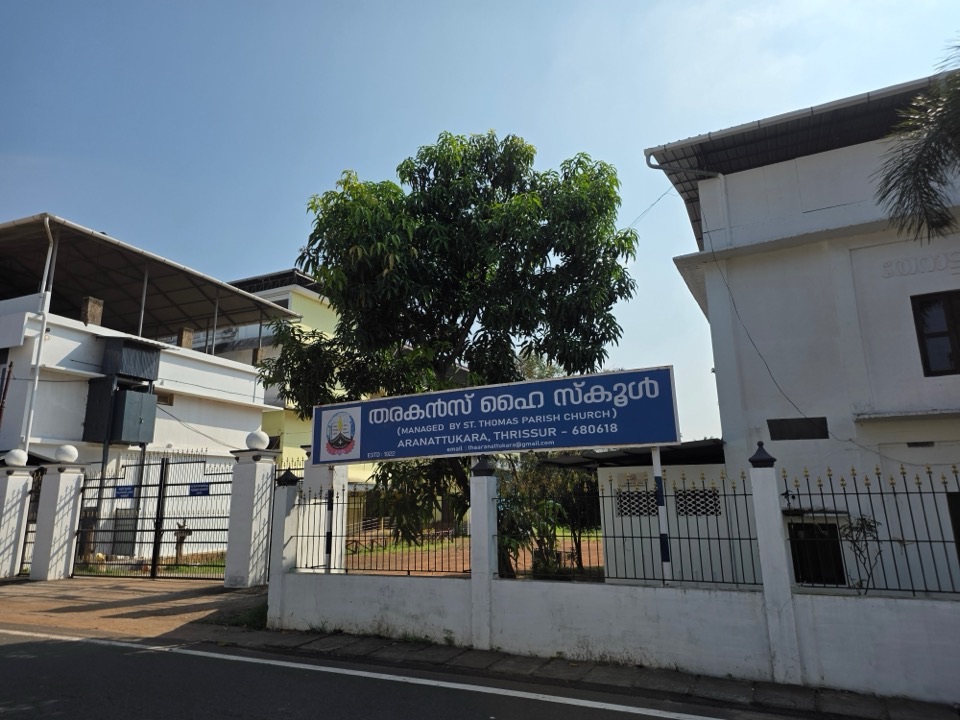
The Schools That Shaped Aranattukara
From village writing schools taught by Hindu teachers to Tharakan's School, the girls' high schools and St. Aloysius College at Elthuruth, this is how Aranattukara learned to read, and how its classrooms helped heal a divided parish.
-
 Chapter 7
Work and Industry
Foundries, a tile works, a pharmaceutical company, bakeries and banks. How a market village of traders and farmers made its living, and why most of its factories fell silent.
-
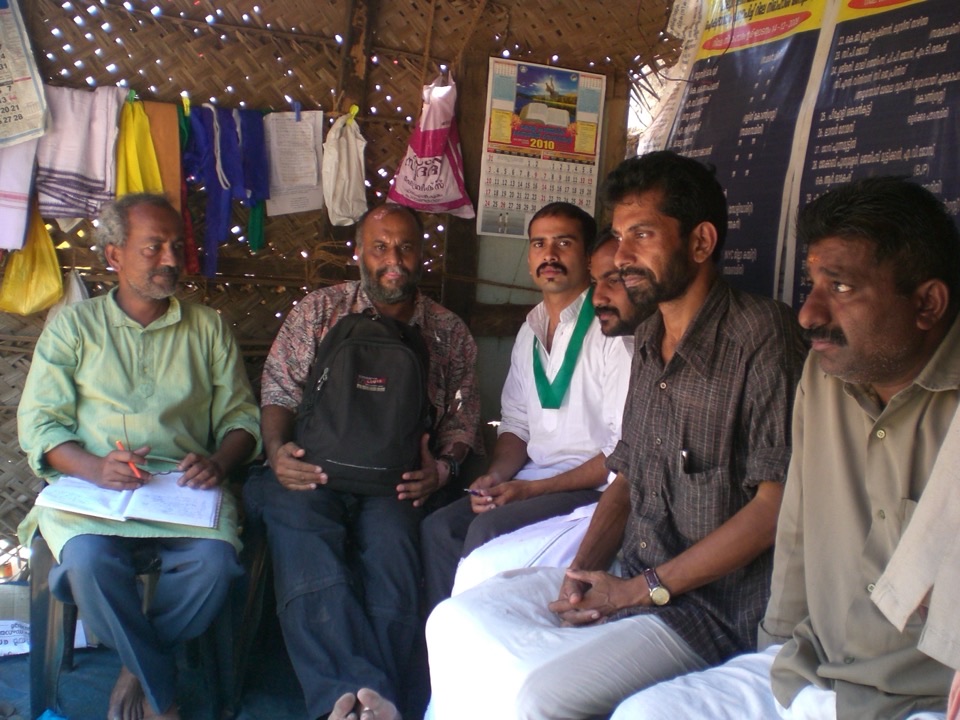
Struggles and Movements
From Gandhiji's visit to the Lalur colony and the 1936 electricity agitation to a seventy-year fight over the city's rubbish at Lalur. Aranattukara's part in the public life of Thrissur and Kerala.
-
 Chapter 9
Arts, Drama and Clubs
A university drama school, amateur theatre clubs, portrait painters, a study circle and football on the Netaji Ground. Aranattukara's long love of the stage and the playing field.
-
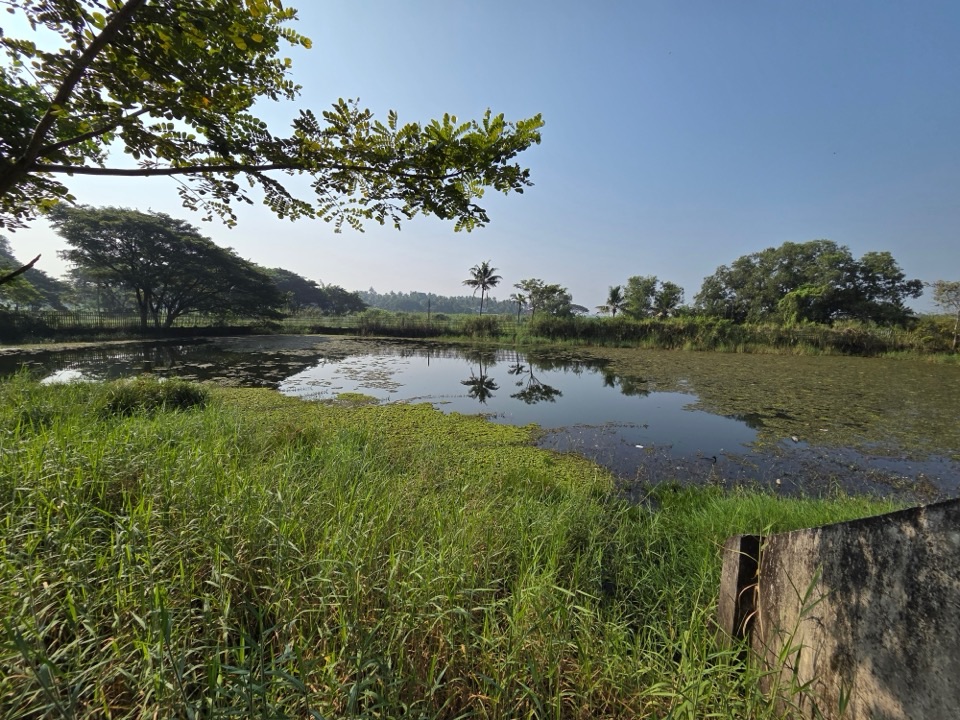
Aranattukara Today
Ponds, paddy and bamboo gave way to roads and houses, and a market village became a ward of Thrissur city. What has changed, who has spoken for Aranattukara, and what is still worth keeping.